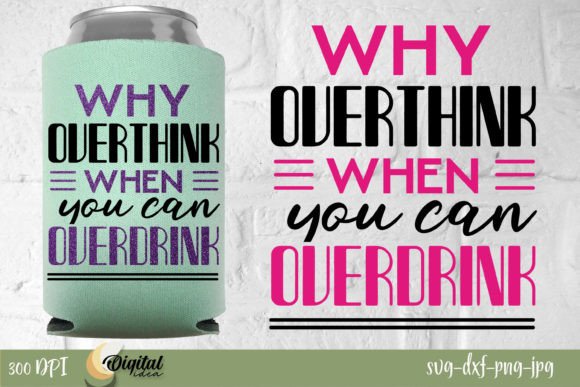
Why Overthink When You Can Overdrink
As someone who spends half their life staring at stitch charts and the other half trying to convince clients that embroidery isn’t just for monograms anymore, I approach every new design file with a healthy dose of skepticism. We’ve all been there: you see a cute phrase on a marketplace, add it to your cart, and then spend an hour wondering if it will actually look good stitched onto a sweatshirt or if it’s going to turn into a muddy blob in the hoop. That is exactly where my mind went when I first pulled up Why Overthink when You Can Overdrink. It’s a phrase that screams casual confidence, but does it translate well to thread? Let’s dig into the practical side of this design.
First Impressions and Visual Personality
The immediate vibe of Why Overthink when You Can Overdrink is relaxed, slightly rebellious, and undeniably relatable. In the world of handmade products, personality sells just as hard as quality. This design doesn’t try to be elegant or minimalist; it leans into a fun, conversational tone that feels right at home on a Friday evening. The layout appears to prioritize readability and impact, which is crucial because embroidery is a tactile medium. If the text is too thin or the spacing is off, the message gets lost.
From a designer’s perspective, the mood here is perfect for gifts, social gatherings, and personal wearables. It creates an instant connection with the wearer. It’s not just a piece of clothing; it’s a statement about how the person handles stress (spoiler: they handle it with a beverage). This kind of emotional resonance is what turns a simple handmade product into something people actually want to show off. It fits naturally into the category of Crafts and Graphics, bridging the gap between digital art and physical craft.
Real-World Application: Where Does This Design Shine?
I recently found myself prepping a batch of custom gifts for a group of friends who had survived a particularly stressful year. I needed something that felt supportive but funny, something that didn’t scream “corporate retreat” but still looked polished. Why Overthink when You Can Overdrink was the perfect candidate. Here is how I envision this embroidery project performing across different mediums:
- Custom Apparel and Sweatshirts: This is the sweet spot. A heavyweight cotton sweatshirt provides the perfect stable base for the design. The phrase works beautifully centered on the chest or even stacked on the back. It adds a layer of comfort and humor that resonates with anyone looking for cozy, wearable art.
- Tote Bags and Canvas Totes: For the daily commuter or the farmer’s market enthusiast, a tote bag design featuring this phrase is a winner. It’s practical, durable, and serves as a great conversation starter. The contrast between the sturdy canvas and the soft embroidery threads creates a nice texture balance.
- Kitchen and Home Textiles: Don’t overlook the utility aspect. This design translates surprisingly well to kitchen towels, aprons, or even a decorative pillow cover. Imagine stitching this on a linen tea towel—it brings a touch of wit to the morning coffee routine. It’s a fantastic idea for a personalized gift for a hostess or a newlywed couple.
- Baby and Nursery Items: While the phrase might seem adult-oriented, the playful font style often used in these designs can work for modern nursery decor or baby blankets, provided the color palette is softened. It appeals to parents who don’t take themselves too seriously.
Technical Considerations and Stitching Challenges
Now, let’s talk shop. As an experienced reviewer, I have to point out where things might get tricky. Embroidery is unforgiving, and not every digital graphic survives the transition to fabric intact. Here are the critical factors to consider before loading this file into your machine.
Stitch Density and Detail: The success of any text-based machine embroidery design hinges on legibility. You need to inspect the stitch density closely. If the fill stitches are too dense, the fabric may pucker, especially on lighter materials. Conversely, if the satin stitch around the letters is too narrow, the edges might fray or look jagged after washing. Always check that the curves in the typography are smooth and not filled with excessive underlay that could distort the shape.
Fabric Compatibility: This design demands a stable foundation. Avoid using it on highly textured fabrics like bouclé or very thin, stretchy knits without proper reinforcement. For stretchy fabric, you must use a high-quality tear-away or cut-away stabilizer to prevent distortion during stitching. On dark fabrics, thread choice becomes paramount. You’ll need high-contrast colors to ensure the white or light-colored elements of the design pop, otherwise, you risk a muddy, indistinct final product.
Hoop Size and Placement: Before committing to a large garment, test the hoop size requirements. If the design is wide, ensure your machine can accommodate it without needing to re-hoop, which can lead to misalignment. For smaller items like embroidered patches or caps, verify that the detail level holds up. Tiny lettering can become illegible if the running stitch details are too fine for the scale of the item.
Practical Tips for the Best Result
- Test on Scrap Fabric: Never run a new design directly onto your final product. Use scrap pieces of the same material to check tension, thread flow, and stabilizer performance.
- Check Thread Contrast: View your design in black and white mockups to ensure sufficient contrast. What looks good on screen might disappear on a navy blue shirt.
- Inspect Small Details: Zoom in on the SVG or PNG preview. Are there tiny gaps or overly complex corners that might not stitch cleanly? Simplify if necessary.
- Confirm Licensing: If you plan to sell finished items, double-check the license terms. Some digital embroidery files are for personal use only. Ensure you have the right to sell the finished product to avoid legal headaches.
- Use Proper Stabilizer: The invisible hero of embroidery is the stabilizer. Using the wrong type can ruin the drape and appearance of the custom apparel.
Final Verdict: Is It Worth the Hoop Time?
Why Overthink when You Can Overdrink is more than just a funny saying; it’s a versatile asset for any crafter or small business owner looking to add personality to their inventory. It strikes a balance between humor and style, making it suitable for a wide range of customers, from college students to busy professionals. Whether you are an Etsy seller looking to expand your small shop product line or a hobbyist wanting to make a unique holiday gift, this design delivers.
The key to success lies in execution. Pay attention to your thread colors, choose the right fabric texture, and respect the technical limits of your machine. When done correctly, this design transforms from a simple graphic into a tangible expression of joy and relaxation. It reminds us that while we can’t always control the chaos of life, we can certainly control how we present ourselves—and maybe enjoy a drink while we’re at it. For anyone in the craft business or creating design assets, this is a smart, engaging addition to your collection.