Naughty List Club Embroidery Review
As an embroidery designer who spends more time than I care to admit staring at stitch charts and fabric swatches, I have learned that the difference between a "cute" design and a sellable product often comes down to execution. It is not just about the artwork; it is about how that artwork behaves when pulled through fabric by a machine. Recently, I evaluated a file titled Proud Member if the Naughty List Club. At first glance, it fits squarely into the crowded Christmas market, but my job was to look past the holiday novelty and assess its viability for real-world projects, whether for a personal gift or a small business inventory.
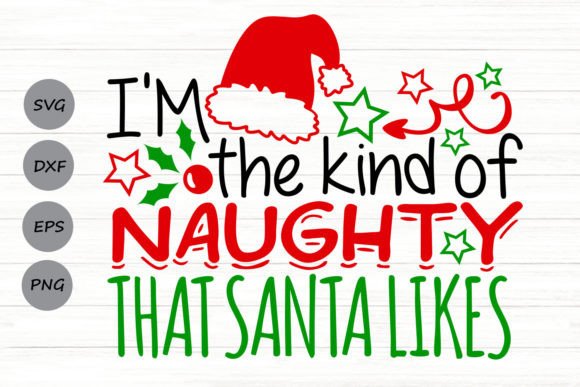
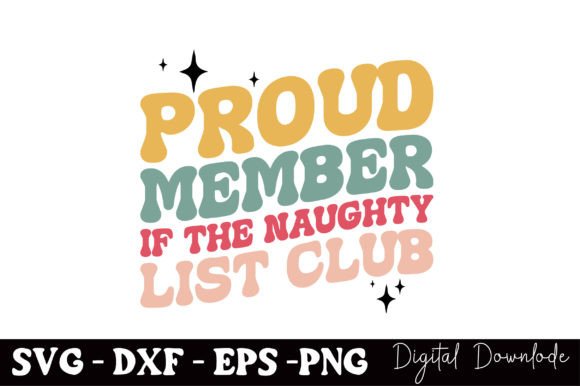
The immediate mood of this design is playful and irreverent. The phrase "Proud Member if the Naughty List Club" (note the charming typo in the source text which we will address) suggests a lighthearted take on holiday behavior. Visually, the layout appears bold, relying on strong lettering rather than intricate pictorial elements. This is a crucial distinction. In the world of machine embroidery, complex illustrations often lose detail during stitching, whereas bold typography holds up better under tension. For a designer, this means fewer errors, less trimming, and a cleaner final appearance. It feels like a design meant to be worn with pride—or perhaps worn ironically at a holiday office party.
Real-World Application: From Screen to Stitch
Let us imagine a practical scenario. You are preparing a batch of custom embroidered tote bags for a local craft fair or an Etsy shop. You need something that pops on a shelf but does not require hours of hoop repositioning. This design works exceptionally well here. The graphic nature of the text allows for a larger placement on a canvas tote, creating a statement piece without overwhelming the bag’s structure. The humor translates immediately to the customer. People buy emotional reactions as much as they buy products, and a touch of "naughty" humor cuts through the sea of traditional snowflakes and reindeer motifs.
However, the versatility extends beyond accessories. Consider a sweatshirt embroidery project. A heavy cotton fleece provides the perfect stable base for this type of design. The weight of the sweatshirt supports the thread density, preventing puckering—a common issue with lighter fabrics. Alternatively, think about holiday embroidery for nursery decor or baby items. While the theme is slightly edgy for a newborn, it fits perfectly for older toddlers or even as a humorous gift for new parents who appreciate a break from the saccharine aesthetic. The design serves as a personalized gift that feels modern and relatable.
For the Etsy seller or small shop product creator, this file offers high perceived value. It can be adapted into a custom apparel line, ranging from aprons for holiday baking sessions to caps for winter markets. The key here is presentation. When you create a printable mockup for your digital listings, ensure you show the texture of the thread against the fabric. Customers want to see that the stitch density is consistent and that the edges are clean. A blurry image sells poorly; a sharp image showing crisp satin stitches builds trust.
Where Caution Is Required
No design is universal, and this one has specific constraints that every embroiderer must respect. First, consider the hoop size. If the design is large, attempting to fit it into a smaller hoop may result in distortion or misalignment. Always check the dimensions before starting. Second, fabric choice is critical. Avoid using this on thin, stretchy fabrics like lightweight jersey unless you are using a heavy-duty stabilizer. Stretchy materials can cause the letters to warp, turning a crisp message into a wavy mess.
Dark fabrics present another challenge. If the thread colors are light, you may need a cut-away stabilizer to prevent show-through, especially if the design includes dense fill stitches. Conversely, if the background is dark and the thread is black, you risk losing definition entirely. Test the contrast by viewing your design in black and white mode within your embroidery software. This simple step reveals potential visibility issues before you waste expensive floss.
Furthermore, be mindful of curved surfaces like caps or hats. While possible, these require specialized hoops and significant skill to maintain proper tension. For beginners, flat surfaces like kitchen towels, pillow covers, or flat panels on jackets are safer bets. Also, inspect the small details. If the design includes tiny decorative accents or very fine lettering, ensure your machine needle is sharp and your thread quality is high. Poor thread can lead to frequent breaks, disrupting the flow of your work.
Technical Notes for the Designer
Before committing this design to a commercial run, several technical checks are non-negotiable. Start by testing the embroidery file on scrap fabric that matches the weight and texture of your final product. This helps you identify any tension issues or stabilizer needs. Pay close attention to the thread colors suggested by the artist. Do they provide enough contrast? Does the combination feel festive yet sophisticated?
If you plan to use this for commercial embroidery, licensing is paramount. Many digital embroidery files come with strict terms regarding how many finished units you can sell. Some licenses allow unlimited sales, while others limit you to a certain number of pieces or prohibit resale entirely. Do not assume that purchasing the file grants you full commercial rights. Read the fine print to protect your business from legal issues.
Additionally, consider the long-term durability of the finished product. Will the item be washed frequently? Designs with high stitch counts can become stiff and uncomfortable over time. If comfort is a priority, opt for designs with lower density or use softer thread types like rayon or polyester blends. For a handmade product intended as a keepsake, quality matters more than speed. Take the time to trim loose threads and press the back of the embroidery to ensure a professional finish.
Final Verdict
The Proud Member if the Naughty List Club design is a solid addition to any holiday collection. Its strength lies in its simplicity and humor, making it accessible to a wide audience. It performs best on stable fabrics where the lettering can shine without distraction. For the craft business owner, it offers a low-risk, high-reward option for seasonal merchandise. Just remember to test thoroughly, respect licensing agreements, and always prioritize the integrity of the stitch work over speed. When executed correctly, this design can transform a plain garment into a conversation starter, proving that sometimes, a little mischief makes the best gifts.